






Middle East Developments and What They Mean for Your Business
You may have seen recent headlines highlighting the economic uncertainty arising from the ongoing Middle East conflict. Reports in the NZ Herald and RNZ note that consumer confidence has dipped, while fuel, diesel, and fertiliser prices are rising, putting pressure on households and businesses alike.
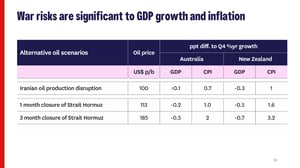
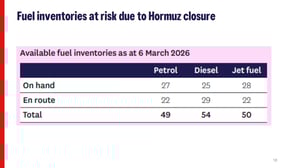
New Zealand currently has about 50 days of fuel supply, but experts warn that a prolonged disruption could still lead to higher prices, slower economic growth and potential supply chain bottlenecks across multiple sectors (1 News).
Our recent Global Trade Outlook event highlighted some of these risks for Canterbury businesses, noting the importance of planning, resilience, and proactive risk management. While these developments are global in nature, they are highly relevant to all New Zealand businesses, not just those engaged in importing or exporting.
⚠️ Key Impacts for Businesses
The situation is still evolving, but several immediate impacts are emerging:
Rising Energy and Input Costs
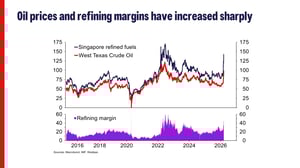
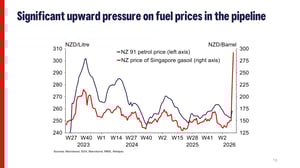
- International oil prices have risen above US$100 per barrel, with petrol potentially reaching $3.10 per litre and diesel $2.85 per litre.
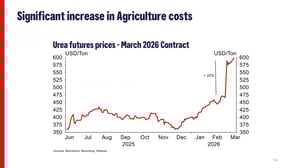
- Fertiliser costs are increasing due to Middle East supply disruptions, with Iran and the wider region accounting for a significant share of global exports. (Rural News)
- Businesses should review budgets and cash flow forecasts to anticipate rising operating costs.
Supply Chain and Logistics Pressure
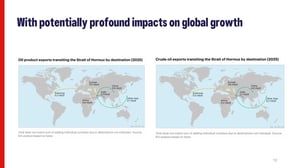
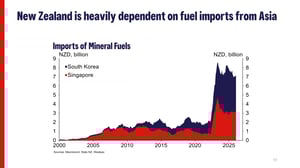
- Shipping disruptions in the Middle East have created higher freight costs and delays, affecting delivery timelines and import/export operations.
- Businesses can take practical steps now by:
- Reviewing contracts and freight insurance
- Considering alternative suppliers or shipping routes
- Communicating early with customers about potential delays or price adjustments
Economic Outlook and Continuity Planning
- Consumer confidence has dipped slightly as households and businesses react to global uncertainty (NZ Herald)
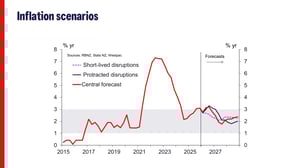
- Inflation pressures may persist in coming months, which could impact pricing, staffing, and procurement decisions.
- Businesses are encouraged to review continuity plans, focusing on risk mitigation, for example, scenario planning, supply chain diversification and liquidity monitoring.
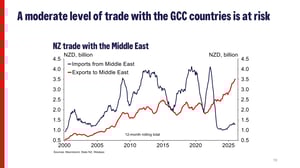
Excerpts from “Navigating Troubled Waters: Iran War Impacts on New Zealand” — a presentation by Kelly Eckhold, Chief Economist at Westpac, 17 March 2026.
Download the full presentation in the Resources section below.
✅ Practical Steps for Businesses
Even without certainty on how the situation will unfold, companies can act proactively:
- Check contracts and insurance coverage for flexibility around cost surges or delays
- Review budgets and forecasts to factor in potential energy and input cost increases
- Consider alternative suppliers or routes to maintain supply chain continuity
- Communicate transparently with customers and staff to share what you know, what you're doing about it and when you'll next update.
- Keep monitoring credible sources and updates from Business Canterbury
By taking measured steps, businesses can better navigate uncertainty, protect their operations, and respond quickly if circumstances change.
📚 Resources and Further Updates
Business Canterbury will continue to provide updates and practical insights for New Zealand businesses as the situation develops.
📆 MFAT Middle East Briefing Webinar, Friday 20 March, 12.00–12.30pm – register here🔗 Download Navigating Troubled Waters: Iran War Impacts on New Zealand, Presentation by Kelly Eckhold, Chief Economist, Westpac. 17 March 2026
📌 Visit Business Canterbury's Manufacturing & Global Trade Bulletin - to keep you informed
Stay Connected

You can also join our Global Trade membership for more in-depth briefings and support.
As conditions continue to shift, building capability to lead through change is critical, our leadership training can support you.