






Skip to content
WestpacSmarts.600x300

Don't Miss HOT

Westpac Smarts| Building a Smarter Business: Planning for the AI Era

Fri 8 May | Practical AI tools and strategies for smarter business decisions. FREE to Members.

MiddleEast.Night.Hero.2000x1000b

Middle East Trade & Business Updates

Risks, Impacts & Guidance

Resources, guides & tools for your business.

Middle East Update

Status: Elevated disruption
Last updated: 30 April, 10:43am
Ongoing tensions are impacting shipping routes and delivery timelines across key Middle East corridors. 

What’s changing right now in the Middle East, why it matters and info to help.

Effects on supply chains, agreements, market access and business decisions.

How to respond to delays, disruptions, and uncertainty.

Helpful tips and answers for your business.

TOUCH
What's
Happening → 
What's
Happening → 

What’s changing right now in the Middle East, and why it matters.

TOUCH
What This Means
for Your Business → 
What This Means
for Your Business → 

Effects on supply chains, agreements, market access and business decisions.

TOUCH
What You
Should Do Now →
What You
Should Do Now →

How to respond to delays, disruptions, and uncertainty.

TOUCH
Frequently Asked Questions →

Helpful tips and answers for your business.

What’s Happening

Recent events in the Middle East are having ripple effects on businesses and markets worldwide. Global supply chains are under pressure, freight costs are rising, and delays are becoming more common, affecting industries from manufacturing to agriculture, energy, and technology.

These disruptions are not limited to trade. Companies everywhere are experiencing increased costs, operational challenges, and uncertainty as markets respond to evolving geopolitical tensions.

For Canterbury and New Zealand businesses, the impacts may include higher prices for key inputs, delays in receiving goods and services, and more cautious market conditions. Even businesses not directly trading with the region can feel the effects through global pricing, logistics bottlenecks, and changes in customer or supplier behaviour.

Understanding the broader picture, and how it connects to local operations, is key to planning effectively and staying resilient in an unpredictable global environment.


Resources and Insights

Something else you'd like to know or to find here, let us know: info@businesscanterbury.co.nz.

⛽ Fuel Security
MBIE:
Ministry of Transport (MOT):
  • Fuel response monitoring dashboard - a summary of travel demand across New Zealand's transport network as well as fuel supply and prices. This dashboard will be updated daily.


🌏 Trade & Exporter Support

MFAT:

NZTE:

Kuehne + Nagel: Middle East updates , plus visit seaexplorer.com

🔗 Updates
  • 30 Mar: Middle East conflict and New Zealand's fuel stocks, MBIE updates. Read Now 
  • 27 Mar: Media release: Fuel plan to protect economy amid disruption, beehive.govt.nz. Read Now
  • 27 Mar: Government Confirms Fuel Response Plan. Business Canterbury blog. Read Now
  • 18 Mar: Global Trade & Middle East Update: What Businesses Need to Know. Business Canterbury update. Read Now
  • 17 Mar: Global Trade Outlook 2026, with Kelly Eckhold, Westpac Chief Economist. Business Canterbury event re-cap. Read Now

📆 Upcoming Sessions
  • Fri 8 May, 12:00pm | Webinar, NZ Inc Middle East Conflict Exporter Briefing, Register here
  • Fri 15 May, 9:00am | IN-PERSON: Business Forum - Leading through Global Disruption, by Business Canterbury. Register here


🛠️ Guides and Tools 


📄 MPI Export Assistance


⏬ Event Downloads


Ministry of Business, Innovation and Employment (MBIE) 
  • Email for MBIE supply chain queries

Business.govt.nz - Feedback Requested

 In Phases 3 or 4, priority bands will determine how fuel is allocated.

  • Share your feedback on priority bands and how your business fits: email MBIE or complete their online form.


Ministry of Foreign Affairs & Trade (MFAT)

 Exporter enquiries can be emailled here  

 NZTE Support: Contact your Customer Manager, use myNZTE, or email for practical export assistance 

 
Business Canterbury Support

If you have any queries or would like to talk to our team, reach out — we’re here to help.

What This Means for Your Business

Global tensions and disruptions are creating uncertainty that can affect businesses in unexpected ways. Even if you’re not directly trading with the Middle East, ripple effects can touch your supply chains, contracts, and strategic planning. Understanding these impacts helps you make informed decisions and stay ahead of potential challenges. 


1. Supply Chain & Logistics

Shipping delays |  Route changes | Freight cost increases


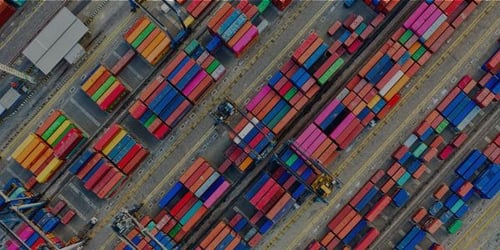
Delays, higher freight costs, and material shortages may affect production timelines and delivery commitments. Planning ahead and identifying alternative suppliers can help mitigate risk.

SupplyChain.600x300 2026

MarketCustomer.600x300 2026

2. Market & Customer Impact

Consumer Demand shifts | Payment risks | Partner reliability


Shifts in demand, payment risks, and uncertainty with partners may influence your sales and revenue. Staying aware of market trends and maintaining strong communication with customers and suppliers is key. 

3. Compliance & Risk

Risk management | Documentation changes | insurance requirements 


New sanctions, documentation requirements, and insurance considerations may create additional obligations. Ensuring your policies and processes are up-to-date will help safeguard your business. 

ComplianceRisk.600x300 2026

What You Should Do Now

Global disruption doesn’t just affect exporters, it flows through supply chains, pricing, timelines and customer expectations across the entire business ecosystem. Taking a few simple steps now can help you stay ahead of potential impacts and avoid reactive decision-making later.


1
Sense-check your
exposure
  ▢   Identify where your business could be indirectly affected - suppliers, freight, fuel, materials, or key customers

  ▢   Look for single points of risk in your supply chain or delivery model
 

ℹ️ Even locally-focused businesses may rely on globally impacted inputs or partners.


2
Review costs and pricing assumptions
  ▢   Check for recent or upcoming increases in freight, fuel, or input costs
  ▢   Assess whether margins are being quietly eroded
  ▢   Consider if/when pricing adjustments may be needed

ℹ️  Don’t wait until cost increases hit your bottom line

3
Communicate early
with customers and suppliers
  ▢   Flag any potential delays or variability in delivery
  ▢   Reconfirm timelines, availability, and expectations
  ▢   Strengthen relationships through proactive communication

ℹ️ Clarity builds trust, especially in uncertain conditions

4
Build short-term flexibility
into your plans
  ▢   Allow buffer time for delivery or project timelines
  ▢   Consider alternative suppliers or stock strategies where practical
  ▢   Avoid overcommitting where uncertainty is high

ℹ️ Small adjustments now can prevent larger disruptions later

5
Keep an eye on
key developments
 ▢  Stay across key updates (e.g. shipping routes, fuel costs, global trade signals)
 ▢  Focus on relevant, credible sources rather than noise
 ▢  Reassess only when conditions materially change

ℹ️ This is about awareness, not constant change

6
Know where to get
support
 ▢   Reach out early if you need guidance on trade, documentation, or market impacts
 ▢   Use available insights, briefings, and advisory support to inform decisions

ℹ️ You don’t need to navigate this alone

Scenario Planning

Global conditions can shift quickly, and while the exact path is uncertain, businesses can still prepare. This section outlines three practical scenarios to help you think ahead, reduce risk, and respond with confidence as conditions evolve. 

How to use this section

You don’t need to act on everything at once. Instead:

  • Identify which scenario best reflects what you’re seeing now
  • Take a few practical steps to prepare
  • Revisit this as conditions change

ℹ️ This is about being prepared, not predicting the future

If disruptions continue
Short-term

Ongoing instability, but no major escalation 


What this looks like:

Delays remain, freight costs fluctuate, and timelines are less predictable, but conditions are broadly manageable.


1. What to focus on:

  • Build buffer into delivery timelines and project plans

  • Stay in regular contact with suppliers, partners, and customers

  • Monitor cost movements (freight, fuel, key inputs)

  • Avoid overcommitting where timing is uncertain

2. For importers/exporters:

  • Reconfirm shipping schedules and lead times

  • Check in with freight forwarders on route changes

3. Support & resources:

  • Regular updates (e.g. your Middle East updates page)

  • Industry briefings and government insights (e.g. MFAT)

  • Business Canterbury advisory support

If escalation increases
Medium-term


Wider disruption to trade routes, costs, or market access


What this looks like:

More significant delays, sustained cost increases, and growing uncertainty across supply chains and global markets. 


1. What to focus on:

  • Explore alternative suppliers, routes, or channels
  • Review contracts, pricing, and risk exposure
  • Strengthen cashflow planning and financial buffers
  • Reassess delivery commitments and contingencies

2. For importers/exporters:

  • Consider diversifying markets or logistics options
  • Review Incoterms, insurance, and payment terms

3. Support & resources:

  • Trade advisory and market intelligence
  • Financial and risk planning support
  • Legal/contract guidance where needed
If conditions stabilise
Recovery Phase


Disruptions ease and confidence begins to return escalation 


What this looks like:

Shipping routes normalise, costs stabilise, and businesses begin to regain certainty in planning and delivery.


1. What to focus on:

  • Reassess growth opportunities and delayed plans
  • Re-engage customers, suppliers, and partners
  • Secure supply and capacity ahead of demand returning
  • Capture lessons learned to improve future resilience

2. For importers/exporters:

  • Rebuild consistency in supply chains
  • Explore new or re-opened market opportunities

3. Support & resources:

  • Market updates and trade insights
  • Events, briefings, and networking opportunities
  • Strategic advisory support
Here to help

Contact Us Today

Talk to us about how our team can support you in navigating current Middle East developments—whether you're managing supply chain disruptions, assessing market risk, or identifying new opportunities. We’re happy to meet at a time that suits, either in Christchurch or closer to your business. 


Business Canterbury

email: info@businesscanterbury.co.nz
phone: 0800 50 50 96 
View contact details for our team here


Contact Us Today

Talk to us about how our team can support you in navigating current Middle East developments—whether you're managing supply chain disruptions, assessing market risk, or identifying new opportunities. We’re happy to meet at a time that suits, either in Christchurch or closer to your business. 

Business Canterbury
View contact details for our  Team here

email: info@businesscanterbury.co.nz
phone: 0800 50 50 96


📤 Get the latest Middle East updates

Sign-up to receive our Middle East updates direct to your inbox to keep you in the know.
Here to help

FAQs

Get quick answers and practical guidance on how current Middle East developments may affect your business, and where to find support. 

1. How can Business Canterbury support my business during Middle East disruptions?

Our team can help you navigate supply chain delays, assess market risks, and identify opportunities. Contact us to discuss tailored guidance or arrange a meeting. 

2. Where can I find the latest updates on Middle East trade impacts?

Use the linked webinars, blogs, and guides on this page, as well as credible sources like MFAT briefings, for up-to-date information and expert advice. 

3. What should I do if my supply chain is affected?

Review your exposure, identify alternative suppliers or routes, and communicate proactively with customers and partners. Our advisory team can provide guidance.

4. Are these disruptions only relevant for exporters?

No. Even businesses not directly trading with the Middle East can experience ripple effects in pricing, logistics, and customer demand. 

5. How do I access advisory or expert support? ou can reach out to our Business Canterbury team directly via our contact us page or email info@businesscanterbury.co.nz. We can arrange face-to-face meetings, calls or catch-up with our advisors online.
6. Can I receive regular Middle East updates directly? Yes, sign up on this page to get our Middle East updates delivered straight to your inbox, keeping your business informed and prepared.