


Keeping freight moving so production keeps moving
Partner insight from GDF NZ
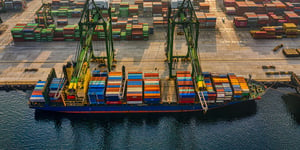
Recent typhoons have repeatedly disrupted operations at Shanghai and Ningbo-Zhoushan, two of the world’s busiest container ports. Even relatively short closures can create backlogs that ripple through vessel schedules long after ports reopen.
For manufacturers, this is where planning, and clear communication with your international logistics partner, becomes critical.
International shipping should support production, not stall it. Delayed cargo, rejected paperwork or a consignment stuck in a congested port can all have the same result: idle production, missed deliveries and lost margin.
At GDF NZ, we work with Canterbury manufacturers to reduce that risk. We start by checking origin, destination and transit requirements, particularly for specialised products where classification, documentation or packing issues can stop a shipment from moving.
From there, we look at routing options and potential pressure points across the supply chain. Where possible, alternative routings can help avoid heavily congested hubs and keep freight moving rather than waiting for capacity to clear.
Getting Incoterms right
Incoterms sit underneath much of this planning. They define important responsibilities between buyers and sellers, including who arranges and pays for transport, where risk transfers and, depending on the Incoterm, who is responsible for insurance.
Getting them wrong can create costs or risks a business did not expect. For example, under CFR, the seller pays for freight to the named destination port, but risk transfers to the buyer once the goods are loaded on board the vessel at the port of shipment. The seller is also not required to provide insurance.
Understanding those responsibilities upfront gives manufacturers greater visibility over their exposure and helps protect production planning when something goes wrong in transit.
Free Incoterms 2020 webinar
Business Canterbury is hosting a free Incoterms 2020 webinar with GDF Group on Wednesday 30 September, from 10am to 11am.
The session will look at how manufacturers can use Incoterms 2020 to better understand cost, risk and responsibility across international shipments, helping protect productivity and profitability.
Register for the free webinar here.
Guest article provided by GDF NZ.