
Have We Become Too Comfortable to Compete?
Opinion by Tim McInnes of Ruffells
Six weeks abroad. Lots of thoughts.
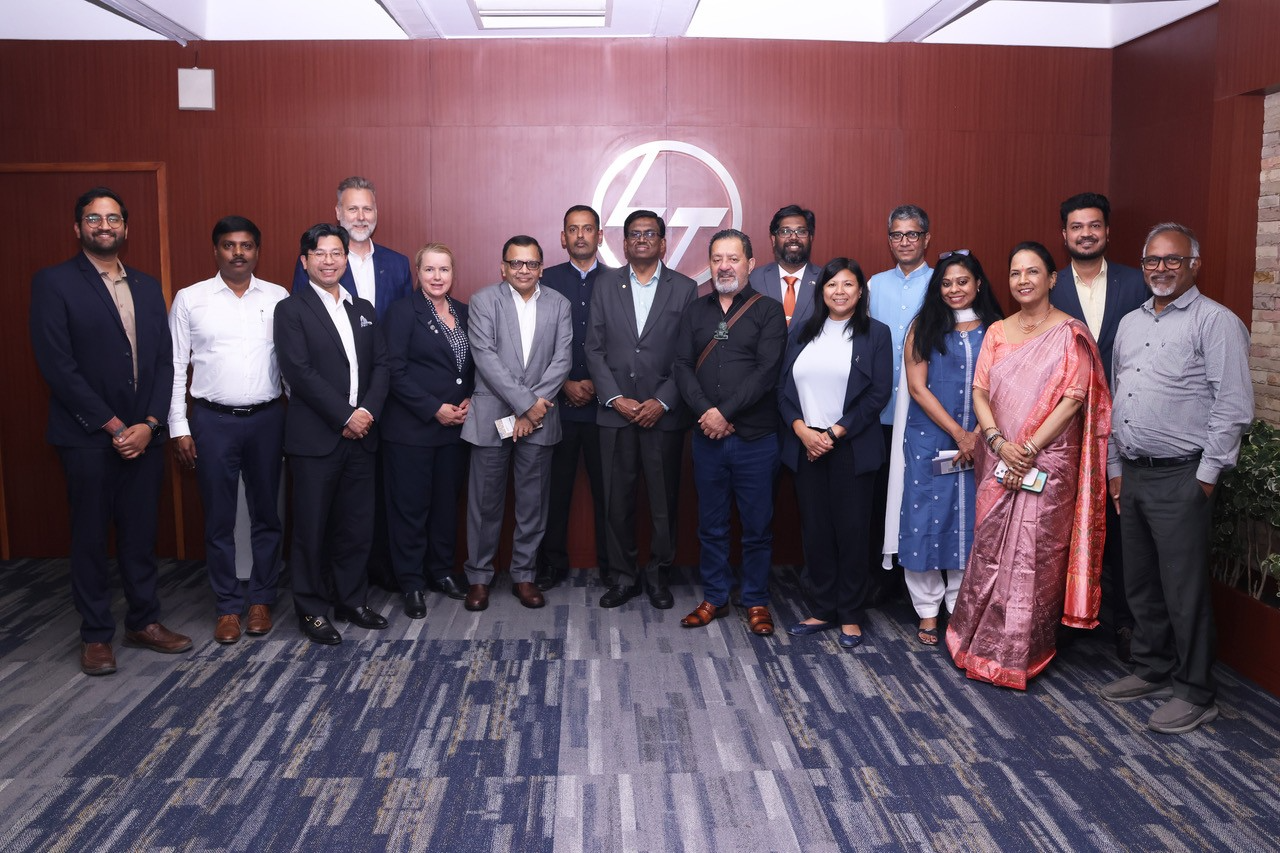
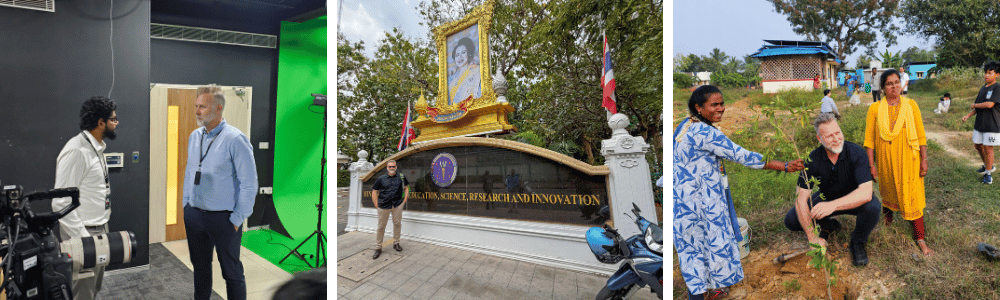
I recently travelled through India as part of the Prime Minister’s Scholarship for Asia with JIX Reality Lab. It’s an education and industry immersion programme designed to strengthen New Zealand’s global capability and connections.
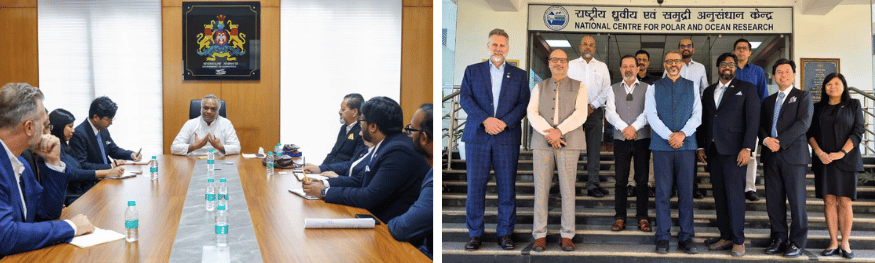
I expected contrast. But I didn’t expect how confronting it would feel. On my first morning, it became clear what I’d been missing. Not pressure. Not stress. Movement.
And so the tone of the trip was set. Ideas weren’t debated to completion. They were put into motion. Not all of them were good but no one was waiting for permission to try. If something failed, it was replaced. Quickly. Another team stepped in. Another version launched. Failure wasn’t considered fatal. It was assumed. And certainly perfect wasn't the enemy of the good (ideas).
That rhythm stayed with me through India and the longer I was there, the harder it became to ignore the contrast with home. It raised in me an uncomfortable question for Christchurch (incoming generalisation): Have we become too comfortable to compete?
Christchurch is thoughtful. Considered. Stable. Sensible. Those are strengths. But stability without momentum quietly dulls ambition.
I’ve been hearing this more often from midcareer professionals, not publicly, but privately: the ceiling feels lower than it should. This from capable, globally fluent, proven individuals.
But the environment around them isn’t demanding any more than they are delivering.
In smaller markets, opportunity tends to circulate rather than compound. Roles recycle. Leadership pools stay narrow. Risk is praised in language but constrained in practice. We call it stability.
My conclusion; Christchurch doesn’t have a talent problem. We have a velocity problem.
By contrast, India has a very different relationship with ambition. And I'm talking about global powerhouse India, not "outsourced IT department" India, which we would be well placed to erase from our perceptions.
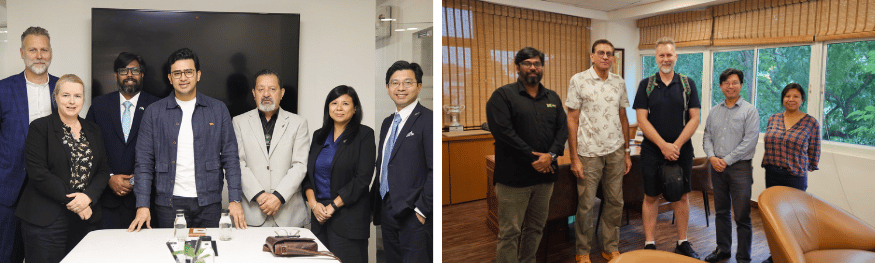
The 1983 Cricket World Cup win is often described as a sporting upset. Its deeper impact was cultural. It created a shared belief: we are capable of more. Belief alters behaviour. Sustained behaviour alters outcomes. And in India, you feel that belief everywhere.
In Chennai, I was told, there’s a stated ambition to become a trillion-dollar economy by 2030. Whether that number is reached almost misses the point. What matters is alignment. Policy barriers are actively removed. Infrastructure materialises quickly. Arts, education, culture and technology aren’t treated as “nice to haves”, they’re recognised as economic inputs.
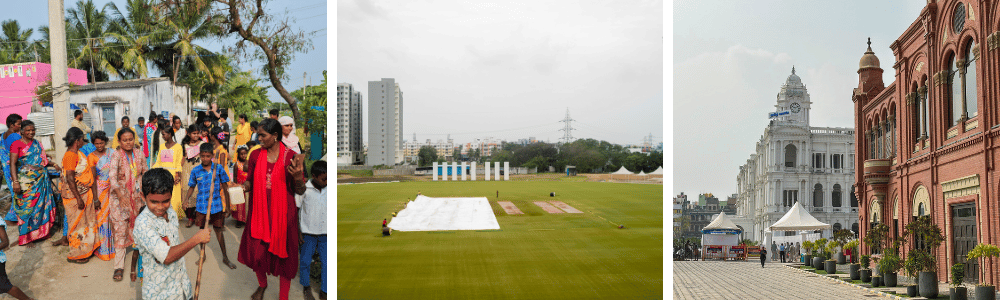
The city isn’t polished. It’s loud. Polluted in parts. But it’s aligned. Purposeful. Forward leaning.
In Bangalore, academic roles are increasingly outcome-based rather than tenure-protected. Productivity isn’t debated; it’s assumed.
In Goa, long-term climate science continues without immediate commercial payoff because participation in global responsibility is considered nonnegotiable.
Different sectors. Same assumption: Progress is something you engage in, not something you wait for.
At the Umagine technology and innovation summit in Chennai, 2000 people were asked to contribute ideas in real time to co-create a song using AI. The technology wasn’t the point. Participation was.
People were expected to engage. Space was created for response. An outcome was produced that the room felt ownership over, whether they liked the music or not. It wasn’t consensus. It was involvement. And involvement creates energy. Energy compounds.
In Christchurch, we often treat opportunity as scarce. Something to protect. Something to justify extensively before pursuing. Something we wait to see validated before participating in.
That caution has value. It produces depth, craft and integrity. But it also explains why so many capable people feel like they’re circling rather than climbing. When a new café opens, the first comment is often, “Let’s see if it’s still here in six months.” We predict fragility before we participate in success. Comfort isn’t failure. But it can quietly become a constraint.
If Christchurch is serious about competing at a higher level and offshore that level is moving faster than most of us realise, then international investment and partnerships aren’t optional. They’re a necessary condition.
This already happens here, quietly. Offshore capital backing local capability. Global partnerships enabling growth that domestic markets alone can’t support. But the hesitation isn’t really about capital. It’s about control.
There’s a fear that offshore interests will dictate terms. That growth will be extracted rather than embedded. That risk is real if capital is unanchored. Unanchored capital extracts. But what I saw offshore was different. Capital deliberately tied to outcomes, education pipelines built in, capability development treated as nonnegotiable, growth designed, not hoped for.
The greater risk isn’t foreign capital. It’s complacency. And lack of movement. It’s that we’ll be left behind in a world that is moving fast.
If we’re not actively pursuing large scale international partnerships as businesses or as a city, is it because we don’t understand how far the global bar has moved? Or because we’re comfortable enough not to care?
Christchurch doesn’t lack talent. It doesn’t lack ideas. What it may lack is a shared belief that relevance still needs to be earned. We don’t need to become Chennai or Bangalore but we do need to compete. And competition requires change.
The question for Christchurch isn’t whether it’s liveable. It’s whether we’re prepared to raise the bar before comfort makes the decision for us.
So get involved. Get uncomfortable. Let’s make some waves.
Tune In: The Bold Company Podcast Season 2 - Now Live
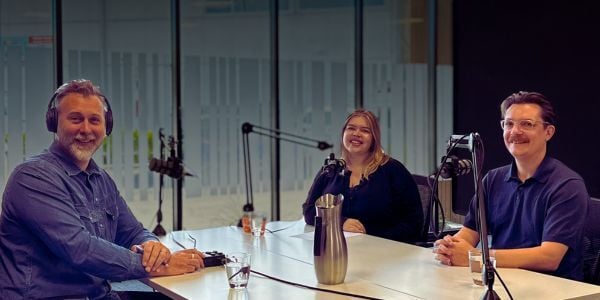
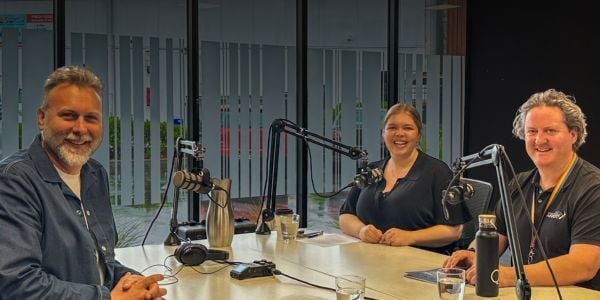
Get inspired by the boldest voices in Canterbury business. Hosted by Business Canterbury’s Hannah Weeds and Ruffells’ Tim McInnes, The Bold Company Podcast shines a light on the innovators and changemakers shaping our region. Proudly supported by Christchurch Airport, ChristchurchNZ, and Ruffells Creative Studio.
🎙️ Listen now and meet the minds behind Canterbury’s success →
Browse Posts



Sign-up to Bold Company
Browse by topic
- News (70)
- Business success (33)
- Business growth (32)
- Podcast (21)
- Innovation (18)
- Tourism (16)
- Sustainability (11)
- Global trade (7)
- Opinion (7)
- Advocacy (6)
- Media Release (6)
- Workforce, Immigration & Employment (6)
- Manufacturing (5)
- Small business (5)
- Education, Skills and Training (4)
- QCBS (4)
- AI (2)
- Events (2)
- North Canterbury (2)
- Mid-Canterbury (1)
The Bold Company Podcast
The stories of Canterbury businesses and the people behind them...