
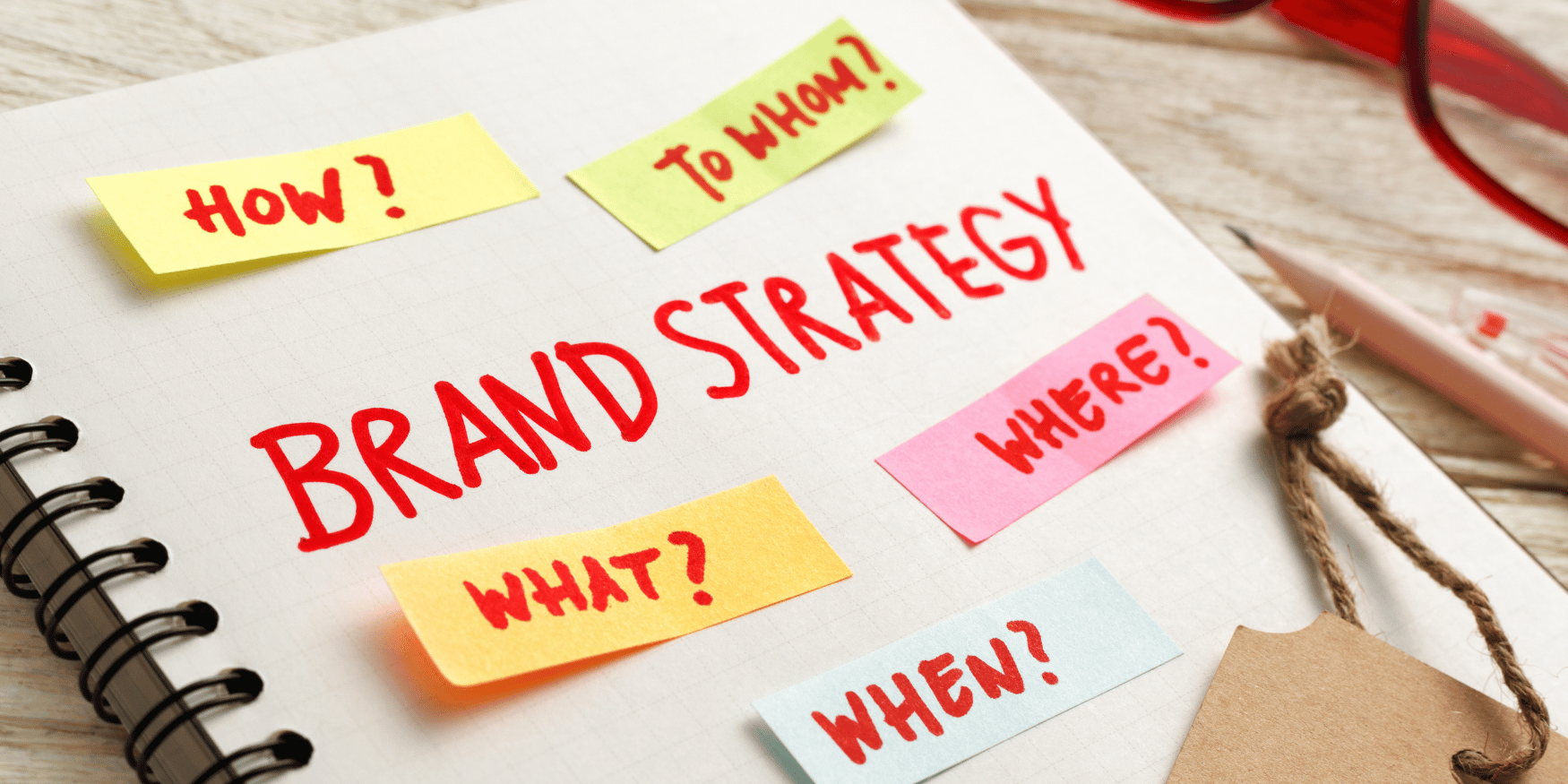
Lessons from Christchurch business owners on building trust through change
By Islay Wharton | Director, Forme
While Christchurch business owners have lived through their fair share of challenges, we’re developing quite the knack for resilience.
Yes, it’s been a tough road with rising costs, ongoing economic uncertainty and fluctuating consumer demand.
But thankfully, we’re seeing tempered optimism as we head further into 2026. According to the latest Canterbury Business Survey, 75% of businesses expect a stronger local economy and improved performance this year with 69% planning to hire staff.
Regardless of the economic environment, we can be sure of one thing: change is a business owner’s constant companion.
And when it comes to building and maintaining trust in your brand through any kind of change, there will always be plenty to navigate.
So, how are Christchurch business owners earning and sustaining trust as they move through an ever-changing business landscape?
I spoke with three who are using strategic brand thinking to navigate change, future-proof themselves and thrive long-term.
Business owner insights
Ekos
Specialising in climate and sustainability consulting, founder Sean Weaver and his team work with businesses and landowners to measure emissions, develop reduction plans and manage nature-based projects that generate verified carbon and biodiversity credits.
The challenge
Ekos exists to create meaningful change, but grants and philanthropy don’t come close to covering the scale of funding needed. So, Sean bridges the gap with commercial work.
In a tough market though, it can be tempting to take on any revenue opportunity. But for Ekos, saying yes to the wrong work can dilute the purpose and pull focus from impact projects.
In 2023, that tension came to a head when the government floated a change to ban exotics in the permanent ETS category. “$50 million worth of investment commitment evaporated overnight,” says Sean, “which left us scrambling to stay afloat.”
The strategic brand choices
Sean made two clear calls early on:
1. He defined what Ekos stands for
Sean decided that while Ekos would make a profit, it wouldn’t chase maximum returns if it meant compromising impact.
“That stance became a decision-making filter guiding what we took on, walked away from and how we explained trade-offs to clients. Over time, that built trust through predictability,” says Sean.
2. He protected that promise by refusing pressure-led growth
Even when pressures increased in 2023, Sean avoided investors who would push faster growth and higher prices and force Ekos to behave differently in the market, bootstrapping the business instead.
“I didn’t want people on my governing board dictating and determining the way I was going to build this business,” he says.
The result
Over time, Ekos became easier to trust because people could predict its actions. The upshot has been measured growth, values-led sales tactics and a model that holds strong even as conditions change.
The takeaway
Brand is trust built over time. Ekos is proof that when you protect your boundaries and stay consistent under pressure, your brand reputation becomes stronger.
Cactus Outdoor
Founded by Ben Kepes, Cactus Outdoor makes hard-wearing outdoor clothing and gear, built with a strong focus on durability, local manufacturing and repairs.
The challenge
Cactus has built a reputation over time based on the quality and durability of their gear. “Because growth has the potential to force trade-offs, the challenge has been protecting that reputation as the business grows,” says Ben.
The strategic brand choices
1. Product quality is brand
Cactus focused on making exceptional, hard-wearing gear and let reputation follow. Their garments commonly outlive their owners, and they want to keep it that way.
Local manufacturing and repairs are part of the promise
Keeping most manufacturing local means repairs are quick and straightforward. And that doesn’t just support durability, it proves they stand behind what they make, which strengthens trust over time.
2. Growth will remain slow and steady
Ben’s view is that if you grow too fast, standards slip. “Cactus has taken a slower path so we can keep quality high and build a team capability to match. That choice protects the reputation we’ve built, especially as we look offshore,” says Ben.
The result
Customers trust Cactus because their experience matches the brand story. By prioritising quality, they’ve created a business known for products that (out)last a lifetime and a repairs model that keeps customers coming back.
“We have incredibly strong brand loyalty, to the point where Cactus has become part of people’s identity,” he says.
The takeaway
Brand resilience is created over time by consistently making choices that protect your promise. Make it easy for people to believe you by creating quality, standing behind it with real-world follow-through and growing at a pace that allows you to keep that promise.
Grizzly Baked Goods
When Sam Ellis started Grizzly Baked Goods, he was hand-rolling bagels late into the night for Christchurch farmers’ markets. Thirteen years later, the business has grown into a 60+ person team with three locations, though you’ll still find the Grizzly market stall at Riccarton Bush and Ohoka markets every week.
The challenge
Grizzly’s biggest challenge has been growth itself. Moving from markets to a physical store, then expanding further, meant taking on risk before fully understanding the scale of it.
“Baking is both an art and a science with conditions that can’t always be controlled. It can be hard to protect consistent quality as production scales, and even small gaps between what people expect and what they experience can erode trust,” says Sam.
The strategic brand choices
1. Consistency is non-negotiable
As Grizzly grew beyond a single kitchen, Sam focused on locking in repeatability. Recipes, training and day-to-day decisions were tightened so quality didn’t depend on who was on shift or what the weather conditions were (which can affect baking).
“That insistence on consistency means customers know exactly what they’re getting, every time, which is what sustained trust as we grew,” he says.
2. Realism takes priority over polish
Sam made a deliberate choice to keep their brand relatable as they grew. Their marketing, especially social content, is candid and unstaged. What you see online is exactly what you get in store.
The result
Grizzly has become known for food that matches the expectation every time, and a business that feels real.
The takeaway
When a customer’s experience with a business is honest, genuine and consistent, the brand becomes a growth asset. It builds confidence, drives word of mouth and makes it easier to scale without eroding the qualities it has become known for.
What these three stories have in common
While Ekos, Cactus and Grizzly operate in markedly different categories, they’ve all approached trust the same way. Instead of trying to market their way through change, they made clear calls, then stayed true to them, even under pressure.
- The patterns worth replicating?
- Make your boundaries obvious
- Let the product do the talking
- Keep the experience honest and treat growth as a trust test.
By Islay Wharton | Director, Forme
With contributions from
Sean Weaver, Ekos
Ben Kepes, Cactus Outdoor
Sam Ellis, Grizzly Baked Goods
Tune In: The Bold Company Podcast Season 2 - Now Live
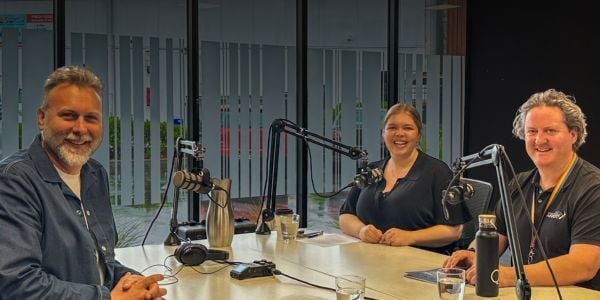
Get inspired by the boldest voices in Canterbury business. Hosted by Business Canterbury’s Hannah Weeds and Ruffells’ Tim McInnes, The Bold Company Podcast shines a light on the innovators and changemakers shaping our region. Proudly supported by Christchurch Airport, ChristchurchNZ, and Ruffells Creative Studio.
🎙️ Listen now and meet the minds behind Canterbury’s success →
Browse Posts



Sign-up to Bold Company
Browse by topic
- News (70)
- Business success (33)
- Business growth (32)
- Podcast (21)
- Innovation (18)
- Tourism (16)
- Sustainability (11)
- Global trade (7)
- Opinion (7)
- Advocacy (6)
- Media Release (6)
- Workforce, Immigration & Employment (6)
- Manufacturing (5)
- Small business (5)
- Education, Skills and Training (4)
- QCBS (4)
- AI (2)
- Events (2)
- North Canterbury (2)
- Mid-Canterbury (1)
The Bold Company Podcast
The stories of Canterbury businesses and the people behind them...