


Three letters, one decision: what manufacturers took from Incoterms 2020
Keeping freight moving so production keeps moving
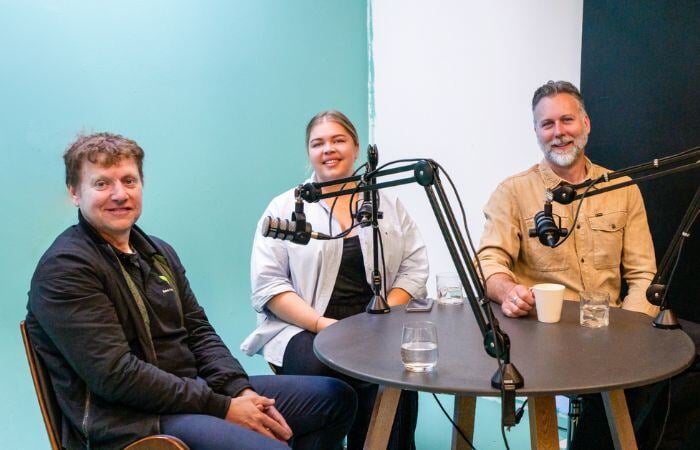
This week Business Canterbury and GDF NZ ran a free Incoterms 2020 webinar for manufacturers. The session sat alongside our earlier note: when ports close or charges land differently than expected, the term on the invoice decides who pays, who carries the risk, and who can still see the shipment.
Incoterms are not logistics jargon. They are the partnership contract between you and your supplier or customer. Get them right and you protect peace of mind, productivity and profitability. Get them wrong and the cost shows up later — destination invoices, insurance that does not cover what you thought, a delay at the port, and production waiting on parts. Incoterms are a set of internationally recognised rules published by the International Chamber of Commerce. They are not law on their own. They only work if buyer and seller agree to them and write them into the contract of sale.
Three habits matter more than memorising every term:
-
Always add the named place and the version: for example, FOB Lyttelton Port, Incoterms 2020.
-
“Delivery” is the agreed handover point — not automatically your factory door.
-
Group the terms so the cost picture is clear:
-
E and F — mainly origin charges and responsibilities (EXW, FCA, FAS, FOB)
-
C — origin plus international freight (CFR, CIF, CPT, CIP). The “I” terms include insurance
-
D — origin, freight and destination (DPU, DAP, DDP)
-
Those three letters also tell your freight forwarder how to handle the shipment and your customs broker how to calculate duty and GST. In New Zealand, import duty is worked from the FOB value; GST is worked from CIF plus duty, where duty applies.
The case we walked through
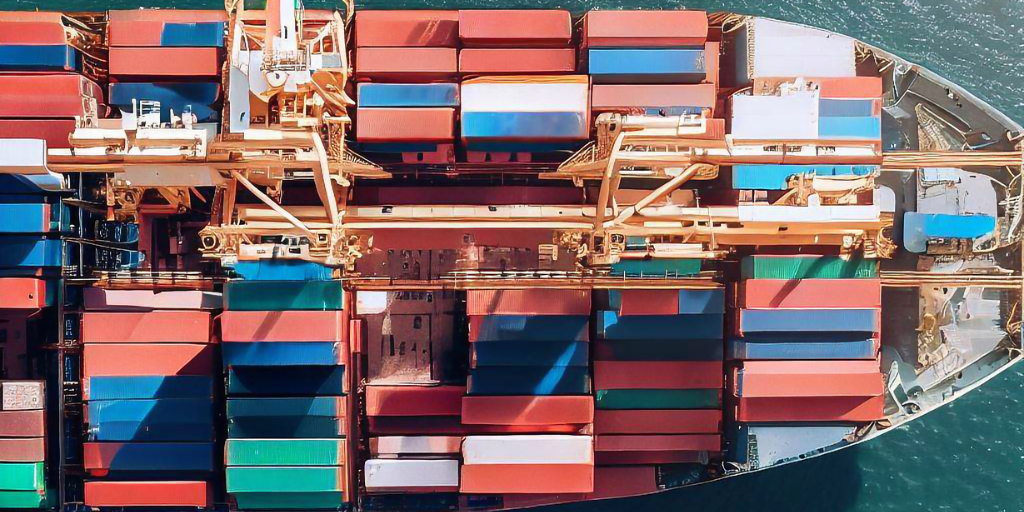
A common pattern on LCL imports is CFR to a New Zealand port. The seller arranges and pays origin plus ocean freight. The buyer pays destination charges on arrival.
That can look tidy on the purchase order. In practice, a low freight rate at origin is sometimes offset by loaded destination or terminal charges. If you did not book the freight, you often have little choice but to pay what arrives with the cargo. The ocean rate was never the full landed cost. Where you need control and a visible cost, FOB is often the better conversation with the supplier: you appoint the forwarder, you see the routing, and destination charges are not a surprise after the vessel has sailed.
What to do before you sign the next deal
Ask four questions while the quote is still a quote:
-
Who pays origin, freight and destination — including clearance, duty and GST?
-
Where does risk transfer if the consignment is damaged?
-
Who books and who can see the shipment?
-
Is the true landed cost in the sell price?
If you are reviewing a new supplier, inheriting a term you did not choose, or seeing freight costs that do not match the invoice value, talk to your logistics partner before you agree to the incoterms.
GDF NZ is happy to walk through a current or proposed Incoterm with Canterbury manufacturers.
Contact Janine Gray, South Island General Manager: janine@gdfnz.co.nz.
GDF NZ also have Incoterms mousepads with the origin / freight / destination overview. Email Janine your name and postal address if you would like one sent out.
Information provided by GDF NZ