





Shaping New Zealand's Infrastructure Future: Key Insights from New Zealand Infrastructure Commission/Te Waihanga
New Zealand has never lacked ambition when it comes to infrastructure investment. The challenge, according to Geoff Cooper, Chief Executive of Te Waihanga, and Peter Nunns, Director of Economics at Te Waihanga, is ensuring the country gets better value from every dollar invested.
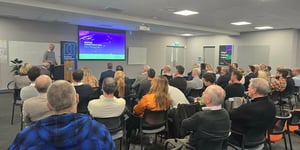
At Business Canterbury's Shaping NZ's Infrastructure Future: The National Infrastructure Plan event, Cooper and Nunns joined Business Canterbury Chief Executive Leanne Watson and members of the wider business community to discuss New Zealand's infrastructure challenges, Canterbury's growth opportunities, and what needs to change to improve productivity, resilience, and long-term outcomes.
New Zealand's Biggest Infrastructure Challenge
While major projects often attract the most attention, Nunns highlighted that New Zealand's greatest challenge is maintaining and replacing existing assets.
Te Waihanga estimates that $20-25 billion per year is needed just to maintain and renew current infrastructure. Nunns noted that around 60% of future infrastructure spending should be focused on renewals, rather than new projects, yet many organisations are not currently meeting this benchmark.
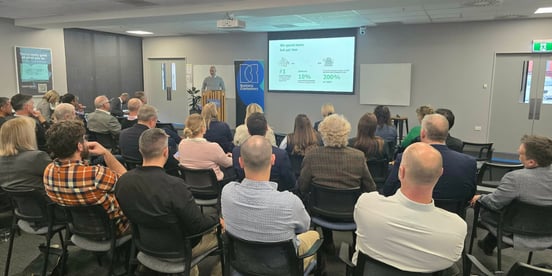

Cooper emphasised that infrastructure is not just about building new assets. Effective stewardship, maintenance, and long-term planning are equally important.
Getting Better Value from Infrastructure Investment
A key theme throughout the discussion was that New Zealand spends heavily on infrastructure compared with other developed nations, yet does not always achieve comparable outcomes.
Nunns argued that increasing spending alone is not the answer. With long-term fiscal pressures from an ageing population, rising healthcare costs, and constrained revenue growth, the country must focus on achieving better value from existing investment.
The National Infrastructure Plan reflects this approach, focusing on productivity, planning, and efficiency rather than simply advocating for more spending.
The National Infrastructure Plan
Cooper outlined the National Infrastructure Plan's 16 recommendations, which speak to issues such as:
- Better long-term planning
- Improved asset management
- Stronger project assurance and business cases
- Regulatory and workforce improvements
The findings revealed some significant gaps. Cooper noted that only around half of infrastructure proposals seeking central government funding have completed business cases, while several major agencies lack comprehensive asset management plans.
The Government has fully supported 13 recommendations and supports the remaining three in principle.
Canterbury's Strong Position
Canterbury continues to stand out as one of New Zealand's fastest-growing regions.
Nunns expects growth to remain above the national average, supported by the region's relative housing affordability and strong economic opportunities. This growth will increase demand for health infrastructure, water services, and transport networks.
The region's infrastructure pipeline is also performing well. Nunns noted that around half of Canterbury's projects are fully funded, compared with approximately one-third nationally.
Canterbury Ambition: Planning for Growth
Watson provided an update on the Canterbury Ambition programme, which brings together all 11 Canterbury local authorities and the private sector to develop a shared regional vision.
Three priorities have emerged:
- Invest Ahead of Demand
Building infrastructure before networks become constrained. - Protect Housing Affordability
Maintaining one of Canterbury's key competitive advantages. - Modernise Regulation
Creating more consistent and innovation-friendly planning settings.
Watson pointed to recent weather events and transport disruptions as reminders of why proactive investment is essential for regional resilience.
Freight: A Critical Economic Challenge
One of the most talked-about topics was New Zealand's freight network.
It was highlighted that moving a container from Christchurch to Auckland currently costs more than shipping that same container to China.
Nunns noted that similar freight inefficiencies have existed for years, while Cooper stressed that these constraints directly undermine New Zealand's export ambitions and economic competitiveness.
The discussion also highlighted concerns around:
- Reduced coastal shipping options following Pacifica's withdrawal
- Reliance on a single rail corridor
- State highway vulnerabilities
- Long-term freight resilience across Cook Strait
Improving Infrastructure Productivity
When asked why New Zealand struggles to deliver infrastructure efficiently, Nunns identified three key factors:
- High input costs such as labour and materials
- On-site construction productivity
- Poor project scoping and planning decisions
Of these, Nunns suggested the greatest opportunities lie in improving planning before construction begins.
Cooper reinforced this point with his advice to "think slow and fast" by investing heavily in upfront planning and then moving decisively once projects are properly scoped and ready.
Looking Ahead
The message from Cooper and Nunns was clear: New Zealand's infrastructure future will depend less on how much money is spent and more on how effectively that money is planned, prioritised, and delivered.
For Canterbury, Watson believes the region is well positioned to lead, with a strong project pipeline, collaborative regional leadership, and a clear focus on investing ahead of future demand.
The challenge now is turning good plans into action and ensuring infrastructure decisions remain focused on long-term outcomes rather than short-term pressures.
To learn more, find the New Zealand Infrastructure Commission/Te Waihanga presentation here or contact the Business Canterbury team.
Business Canterbury will continue bringing together business leaders, industry experts and decision-makers to explore the issues shaping our region's future. We look forward to welcoming you to our upcoming events, including our South Island Election Conference, as we continue these important conversations.