




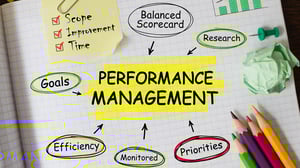
Recent cases have highlighted the importance of exercising caution when transitioning from an informal performance management process to a formal disciplinary investigation when dismissing employees for performance issues. The Employment Relations Authority expect to see evidence of a clear distinction between informal and formal processes and that a formal approach involving a Performance Improvement Plan has been used to address performance issues. The following are key steps to follow.
- Informal Counselling. Discuss where the employee is not meeting reasonable performance standards. Give specific evidence-based examples—set a date to review performance. Explain that failure to improve could lead to a formal performance management process.
- Formal Performance Management. Write to the employee, indicating a move from Informal to Formal Performance Management. Be specific about areas of non-performance and process, moving from informal to formal performance management process. Implement Performance Improvement Plan.
- Invite an employee to a Meeting. Give the employee 48-72 hours’ notice of the meeting to confirm attendance, and can have a support person/independent legal representative present.
- Meet with the employee. Go over specific examples of alleged poor performance and consider the employee’s explanation. Explain the consequences that if the allegation is proven, this could potentially lead to a disciplinary investigation process if performance does not improve. Set review date.
- Listen to the employee’s explanation. Check that the employee is clear on expectations, considers outside work personal problems and whether the employee has received adequate training or has relevant qualifications for the role. Check performance data and take time after the meeting to consider the employee’s explanation.
- Make a Decision. Consider the disciplinary process if there is no improvement by the end of the review period. Arrange another meeting to advise the employee of the escalation of disciplinary action and report back the results of the formal review. Provide findings to the employee before the meeting. Ask the employee to comment on the findings. Outline preliminary view of matter, including action that may be taken, i.e. warning. Allow the employee opportunity and reasonable time to make final comments before confirming your decision to taking Disciplinary action.
- Confirm the final decision to the employee. Arrange a meeting and communicate the final decision in writing as a follow-up to the meeting.
Members can access advice and guides from Business Canterbury in these areas to reduce risk in this area. Contact us for specialist advice at hradvice@cecc.org.nz.

The Business Canterbury Team
Empowering businesses with insights, strategies, and resources to drive growth and success in our region.