





Health and Safety Law Changes in NZ: What Businesses Need to Know About the Amendment Bill
A practical overview of proposed Health and Safety at Work changes and what they could mean for PCBUs across New Zealand.
What this article covers - and why it matters
The proposed amendments to New Zealand’s Health and Safety at Work framework signal a meaningful shift in how workplace risk is defined, prioritised, and governed. At the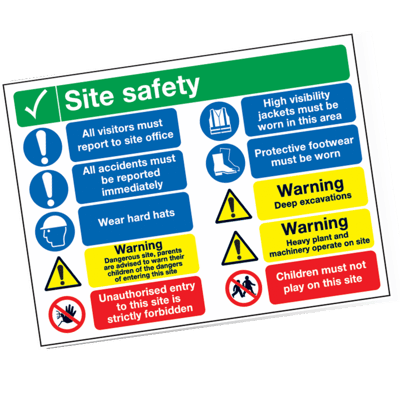 centre of the reform is a move toward focusing effort and resources on critical risks — those most likely to result in serious harm.
For businesses, this is not a minor technical update. It has direct implications for:
- How risk is assessed and documented
- Where time, money, and attention are allocated
- How directors and senior leaders demonstrate due diligence
Understanding these changes early allows PCBUs to align their systems, governance, and decision-making before enforcement expectations shift.
Health and Safety at Work Amendment Bill: Key changes explained
The Health and Safety at Work Amendment Bill has passed its First Reading and will proceed to Select Committee. It may change before enactment.
Until then, the current Health and Safety at Work Act 2015 remains in force. This blog explains the key proposed changes and what they mean for PCBUs — both large and small.
1. The most significant change: the purpose of the Act
The Bill proposes to amend the purpose section of the Act so that it explicitly states the legislation will prioritise the critical risks that arise from work.
Matching amendments are proposed to the statutory objectives of WorkSafe and other regulators.
What this means in practicePurpose clauses influence how duties are interpreted. They guide:
The shift moves the emphasis from "consider all risks equally" to "prioritise serious harm prevention." |
📌Practical takeawayEnsure your organisation can clearly demonstrate — What your critical risks areHow resources are allocated toward them And how governance oversight reflects their seriousness |
2. "Critical risk" — the new organising concept
|
A risk will be considered critical if it: 1. Relates to hazards listed in Schedule 1A (high-risk regulatory regimes), OR 2. Is likely to result in:
PCBUs must assess whether serious outcomes are reasonably foreseeable. |
📌 Practical approachYou do not need legal perfection — you need to assess serious outcome likelihood in your context, and use reasonable, documented judgement. |
3. Small PCBUs — narrowed scope of duty
A small PCBU has fewer than 20 workers for at least 9 of the previous 12 months.
Small PCBUs will be required to comply with core HSWA duties only in relation to critical risks, while still meeting welfare obligations.
What does not changeSmall PCBUs still must:
|
📣Key takeaway
|
4. Larger businesses: manage all risks, prioritise critical ones
|
For PCBUs with 20 or more workers:
The Bill defines prioritisation as:
|
📌Practical takeawayFailure to prioritise is not a standalone offence, but it will influence enforcement and judicial reasoning. |
5. Psychosocial and high-frequency harm — still relevant
| Some hazards (e.g., violence, fatigue, musculoskeletal injuries, mental harm) may not always meet the "critical risk" threshold. The Bill does not remove duties relating to these risks. High-frequency injuries account for substantial cost and operational disruption. |
📌Practical takeawayDo not abandon management of non-critical risks. Critical risks require disproportionate focus — not exclusive focus.
|
6. Overlapping legislation — clarified boundaries
| Where another law regulates a risk (e.g., Building Act, Maritime, Aviation), complying with that law may satisfy HSWA duties for that risk.
However, specific HSWA regulatory duties still apply where relevant.
|
📌Practical takeawayBusinesses should: Map your regulatory landscape to identify overlaps, confirm compliance, and avoid assuming HSWA obligations disappear entirely
|
7. Recreational use of land
|
PCBUs managing land will not owe duties to recreational users unless:
|
📌Practical takeawayIf your business runs or profits from recreational activities, |
8. Earthquake-prone buildings
| If a building owner complies with Building Act obligations for earthquake-prone buildings, additional HSWA seismic duties are reduced (except in emergencies). |
📌Practical takeawayEnsure Building Act compliance is current and documented. That compliance may now carry dual significance. |
9. Officer due diligence — governance focus clarified
| Officer duties now clearly apply to governance roles only. The due diligence requirements are listed exhaustively. |
📌Practical takeawaySeparate governance from operational roles.
|
10. Approved Codes of Practice (ACOPs) — safe harbour introduced
| ACOPs may now carry "safe harbour" status.
|
📌 Practical takeawayIf you comply with an ACOP for a specific risk, |
11. Notifiable events — greater clarity
| The Bill aims to make notifiable events easier to understand, with expanded definitions and examples to reduce ambiguity . |
📌 Practical takeaway Review your incident reporting thresholds and ensure supervisors understand when notification is required.
|
12. Regulator functions — education and prioritisation
| WorkSafe's functions are clarified to emphasise guidance and advice; development of ACOPs; and monitoring and enforcement. The system reinforces prioritisation of serious harm prevention. |
📌 Practical takeawayExpect regulatory conversations to focus on your: - critical risk profile- critical controls - verification systems |
Final Reflection
For PCBUs, this reform is not about doing less health and safety. It is about clear identification and controls of critical risks, proportionate resource allocation, and governance visibility. If you are not aligned with the direction of the reform, then anticipate scrutiny.
Strengthen your approach to health and safety
Check out our Health and Safety from a Management Perspective workshop

Ensure your systems are compliant and fit for purpose
Health & Safety reviews and audits designed to identify gaps, strengthen governance oversight, and ensure you are aligned with current requirements. Use our Contact Us page to enquire about our H&S reviews & audits and ensure you are up to date.
Content provided by Leon Fox, Director, The Safety Guru Ltd.
Email Leon if you have any questions, or if you’d like a H&S review, or full H&S audit to review your processes and understand your critical risks.